The King-Morgridge Scholars Program supports students who demonstrate exceptional leadership, a commitment to social impact, and a strong connection to their home communities. Scholars are provided resources, mentorship, and funding to pursue initiatives that create meaningful change locally and globally.
Across individual interviews, each scholar reflects on their leadership experiences, the challenges and opportunities within their home communities, and the impact of the work they are leading. While their contexts differ, their stories highlight how young leaders are driving meaningful change—from Ecuador to Ghana to Venezuela and Chile.
Angeline Morgado: Cohort VIII Scholar from Guatire, Venezuela and Santiago, Chile; founder of Incidentes, a youth-driven network focused on advocacy, public policy, and educational access.
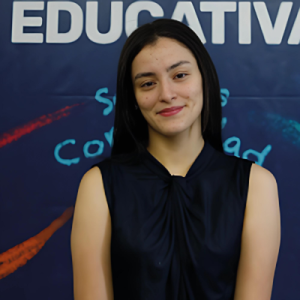
What inspired you to start or lead your organization back in your home country?
Becoming the spokesperson for América Solidaria and founding Incidentes came from a genuine care for social causes. As a migrant myself, I experienced firsthand the consequences of policy gaps and the impact that local organizations can have in improving community life. These experiences gave me the motivation to get involved and work towards promoting youth involvement in public policy and comprehensive development.
What is the purpose of your organization?
Incidentes is a youth network organization that promotes the comprehensive development of the Latin American youth through their participation in advocacy spaces, public policy, and the democratization of educational opportunities, created by and for young people. I started Incidentes in 2021 because, as a youth activist myself, I realized that my experience was unique and often the exception to the rule. Many motivated young leaders slip through the cracks because they lack access to advocacy tools or a supportive community to help them manage responsibilities, understand institutional processes, or develop social projects.
How do you balance your academic work with your leadership responsibilities?
It’s all about perspective, I would say, because I see my academic endeavors as an important tool to develop my leadership, and my leadership as something that complements my learning. With that understanding, it’s also important to set clear priorities. For example, when exam season is approaching, I make sure not to schedule events around that time, or I strategically rely on my team to lead those events. Being able to rely on your team and knowing when to ask for help are important leadership skills that also translate into academic success.
How has studying at UW–Madison influenced your approach to leadership and social impact?
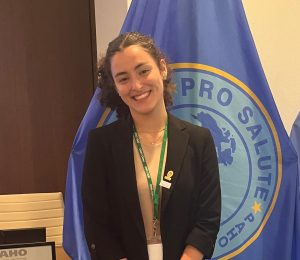 It has had a great impact on improving my skills as a leader. This past summer, I joined the Wisconsin Experience Bus Trip, which introduced me to the UW–Madison Leadership Framework. The framework connects values such as integrity, inclusive engagement, connection, and community with competencies like self-awareness, interpersonal communication, learning and development of others, and understanding context and culture. This experience enriched the way I see myself as a leader and taught me how to adapt to new environments and collaborate with teams of incredible leaders. The trip also inspired me to think about how to professionalize my leadership skills, not only as a young leader and student, but also as a future professional committed to meaningful social impact.
What advice would you give to other students who want to lead change in their home countries while studying abroad?
Studying abroad is a great opportunity to learn new perspectives and discover creative ways to innovate solutions around what drives you and inspires change. It can even bring renewed hope to overcome the challenges that leading change can sometimes entail. Make the most out of the experience, and remember to stay connected with your local communities, whether by staying involved from afar or bringing back what you’ve learned to help them grow. This is what has helped me, but one of the best parts of studying abroad is being encouraged to learn what works best for you when approaching new environments and lessons.
Interested in reading about the other two scholars? Check out their features:
- Kristhel Maholy Vernaza Sánchez: Cohort VII Scholar from Guayaquil, Ecuador; co-founder of RODDNA, a youth-led network advocating for the rights of children and adolescents.
- Michael Bebile-Kogh: Cohort IX Scholar from Kpalsi, Ghana; founder of ASELEM, an initiative advancing sustainability, agriculture, and youth engagement in environmental action.